Mumbai: Complete City Guide with Map, Capital Status and Cost of Living
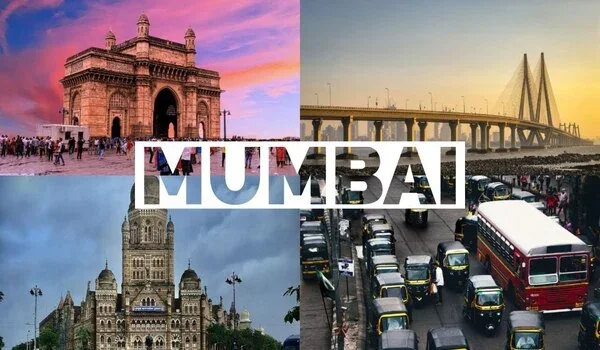
Featured Image of Mumbai: Complete City Guide with Map, Capital Status and Cost of Living


Mumbai is the capital of Maharashtra. It also stands as the financial hub of India. The city sits on the west coast, along the Arabian Sea. It grew from a set of islands, joined over time into one landmass. Mumbai holds the country's stock exchanges, major banks and the Hindi film industry. If you need the Mumbai map, its capital status or basic city facts, this guide has it all.

Mumbai has grown from small fishing villages into one of the largest cities on earth. Millions of people arrive here each year for work and a better life. The city runs on local trains and a fast-growing metro network. It keeps moving well past midnight, day after day. Mumbai rewards hard work, but it also tests your patience. Traffic, rent and pace can all run high here.
Mumbai Map and Location


The Mumbai map shows a long, narrow city on the Konkan coast. Mumbai city sits within Mumbai City district and Mumbai Suburban district. Both fall under the larger Mumbai region, known as the MMR. This wider belt includes Thane, Navi Mumbai, Kalyan and other fast-growing towns.

Mumbai is the capital of Maharashtra, not the capital of India. New Delhi holds that title for the whole country. People often mix up the two cities. Mumbai carries so much money and business that the mix-up feels natural. The city works as India's financial capital in practice. It does this even without formal capital status at the national level.

Mumbai City Overview


Mumbai city covers close to 603 square kilometres. It ranks among the most crowded cities on earth by density. The full MMR stretches far beyond the city limits. It is home to over 20 million people today.

The city runs on finance, trade, factories and films. Mumbai pays a large share of India's income tax each year. It hosts the Bombay Stock Exchange and the National Stock Exchange. Most major Indian banks keep their headquarters here too. This scale of work explains why people call Mumbai the country's true trade capital.

Languages Spoken in Mumbai


Marathi holds official status in Mumbai, as the state language of Maharashtra. Hindi and English see heavy use in offices, shops and daily life. Gujarati also carries a strong presence here. This comes from the large trading group based in the city.

Most residents pick up more than one language over time. This mix comes from the city's long history as a trading port. Traders and workers arrived here from across India and beyond.

Is Mumbai Expensive or Cheap


Mumbai ranks as one of the costliest cities in India. Housing drives most of this cost, mainly in South Mumbai and Bandra. Food, transport and bills stay closer to national norms. This keeps overall costs fairly manageable outside of rent.

The table below compares Mumbai with Delhi and New York on common cost markers.

Cost Factor Mumbai Delhi New York
1-BHK rent (city centre) High Moderate to high Very high
Daily transport cost Moderate Moderate High
Overall cost of living High for India, low against global cities Lower than Mumbai Far higher than Mumbai

Mumbai mostly costs more than Delhi, mainly on housing. Against a global city like New York, Mumbai still looks affordable. This holds true across rent, food and daily transport.

Salary Benchmarks in Mumbai


A salary of ₹60,000 a month covers a modest, single life in Mumbai. This works best outside the prime central areas. It gets tighter with a family or a premium address. A monthly income of ₹2 lakh sits well above the city average. It allows a comfortable life in most parts of Mumbai. This includes a good rental home and steady savings.

An annual income near ₹69 lakh places you in India's top 1 percent. This is based on recent income data across the country. The top 2 percent mark sits a bit lower. It still covers only a small, high-earning slice of India. A salary of ₹1 crore a year stays rare across the country. It shows up more often in Mumbai than in most other cities. Finance, media and corporate leadership roles cluster heavily here.

Posh Areas and Billionaire Addresses in Mumbai


Mumbai's wealthiest residents cluster in a small set of neighbourhoods. Malabar Hill and Altamount Road top most lists of costly addresses. Pali Hill and Worli also draw major business families and film names.

Area Known For
Malabar Hill Old money, sea-facing bungalows, top political residences
Altamount Road India's most expensive real estate per square foot
Pali Hill, Bandra Film industry residences, boutique bungalows
Worli Sea-link views, new-age luxury towers

Dharavi sits at the heart of the city. It stands as one of Mumbai's most crowded and modest areas. It also runs a busy informal economy of its own. Mumbai holds this full range, from costly addresses to compact ones. Often, they sit just a few kilometres apart.

Old Name of Mumbai and Common Nicknames


Mumbai was called Bombay until 1995. That year, the city adopted its current name. The change honours Mumbadevi, a local goddess in Marathi tradition. Many older residents and old English records still use the name Bombay.

Mumbai carries a few popular nicknames today. People call it the City of Dreams, since it draws strivers from across India. Many chase careers here in finance, film and business. Mumbai is also known as the city that never sleeps. Its markets, trains and streets stay active well into the night. Indore, in Madhya Pradesh, gets called Mini Mumbai at times. This nod comes from its own fast growth and business energy, though it remains a separate city.

Mumbai's Growing Suburbs and the Rise of Thane


Mumbai's core areas are running short on space. Growth has pushed steadily outward into the wider MMR. Thane connects to the city through rail, road and a growing metro line. It has become one of the strongest extensions of Mumbai living. Buyers priced out of South Mumbai now look toward this corridor. They find larger homes here at a fraction of the cost.

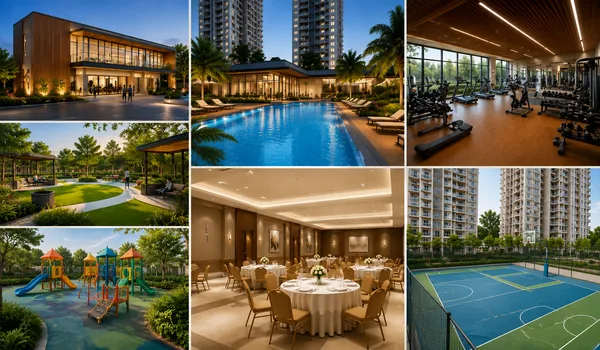
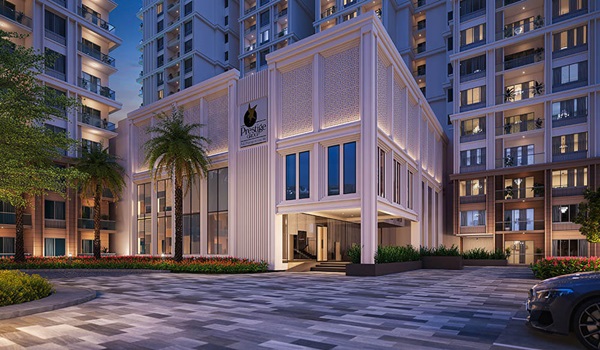
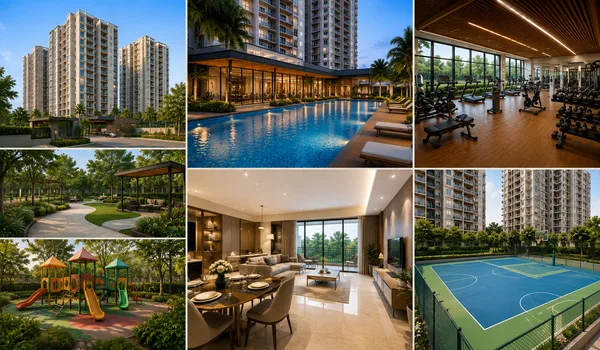
Builders have moved fast to meet this shift in demand. Prestige Falcon City Thane sits on the Ghodbunder Road stretch of Thane. This upcoming township reflects a wider trend. Mumbai's housing demand keeps spilling into the wider MMR. The project brings scale, green cover and planned layouts. Dense, older parts of Mumbai city can rarely match this today. For many workers tied to Mumbai's job market, this kind of address works well. It offers city access alongside a more spacious way of living.

Latest News on Mumbai


Here are the most relevant recent updates shaping Mumbai and its wider region.

  • The Mumbai Coastal Road project has entered its final phase. New stretches are easing traffic along the western waterfront.
  • Maharashtra's latest state budget set aside major funds for new Mumbai metro lines and better airport links.
  • The Sewri-Worli connector, part of the coastal road network, is moving toward a signal-free link across South Mumbai.
  • Mumbai Metro Line 3, the city's first underground corridor, keeps expanding its reach through 2026.
  • Navi Mumbai's new airport has moved closer to a full launch. It adds a second air gateway to the region.
  • Property prices across Mumbai's key markets kept climbing through 2026, driven by strong buyer demand.
  • The Thane-Borivali Twin Tunnel project has entered active construction, aiming to cut travel time between Mumbai's suburbs.
  • Civic bodies have stepped up monsoon works across Mumbai, focused on drainage in low-lying, flood-prone stretches.

FAQs


1. Is Mumbai expensive or cheap?

Mumbai ranks as one of India's costliest cities, mainly due to housing. Against global cities like New York, it still stays fairly affordable.

2. What is Mumbai now called?

Mumbai is its current, official name, set in 1995. Before that, the city went by Bombay, a name many still use today.

3. Which Indian city never sleeps?

Mumbai holds this title more than any other Indian city. Its markets, local trains and streets stay active well past midnight.

4. Where do billionaires live in Mumbai?

Most of the super rich in Mumbai live in South Mumbai, mainly around Malabar Hill and Altamount Road. Pali Hill and Worli also house top business and film families.

5. Is 2 lakh a good salary in Mumbai?

Yes, a monthly income of ₹2 lakh sits well above the city average. It supports a comfortable life across most parts of Mumbai.

6. Is Mumbai costlier than New York?

No, Mumbai stays far cheaper than New York on almost every measure. Housing, food and daily transport all cost a fraction of New York rates.

Enquiry
Enquire Now