Kids Safety in a Gated High-Rise Community: A Parent's Guide
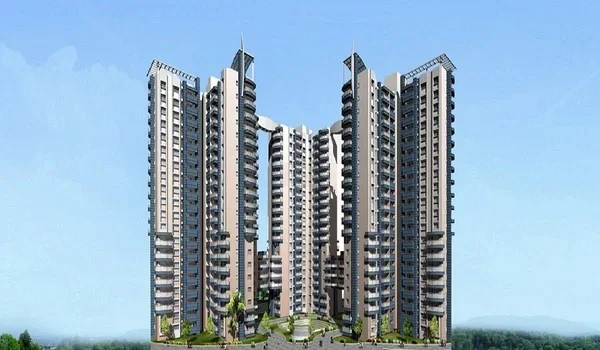
Featured Image of Kids Safety in a Gated High-Rise Community: A Parent's Guide


A well-planned gated high-rise community is one of the safest places in an Indian city to raise children. Controlled gates, round-the-clock CCTV, car-free podiums and dedicated play zones keep most everyday risks away from your kids. Height does bring its own concerns, such as open balconies, windows, lifts and pools. So real safety comes from two things working together, which are smart building design and simple family habits.

This guide covers each layer of protection and the risks that come with tall towers. It also lists the exact questions to ask before you book a flat.

Is a Gated High-Rise Community Safe for Kids?


Yes, a gated high-rise is safe for kids when it combines layered security with child-focused design. Look for guarded gates, CCTV in common areas, locked lobbies, safe balcony railings and a car-free ground level. These features let your children play outdoors while you stay confident about where they are.

Most good projects protect children through these connected layers:

  • A main gate with guards, boom barriers and visitor checks that keep strangers out
  • Tower lobbies that open only with a resident card, tag or app approval
  • Flats with video door phones and secure locks that let you screen every visitor
  • Play areas, pools and walkways placed well away from moving cars and service roads

The Four Layers of Child Safety in a Gated Community


Each layer handles a different risk, so a weak link in one place can undo the others. The table below shows what each layer should cover and what to look for on a site visit.

Safety Layer What It Protects Against What to Look For
Community gate Strangers, unverified visitors and delivery staff Guards at all hours, boom barriers, visitor app approvals and number-plate cameras
Tower lobby Outsiders walking into lifts and corridors Card or tag access, lobby CCTV and a staffed help desk
Your flat Unknown callers and household accidents Video door phone, strong main door lock, balcony railings and window locks
Common areas Traffic, water and play injuries Car-free podium, soft play flooring, pool fencing and lifeguard hours

Security at the gate gets most of the attention in brochures. Yet many child injuries in apartments happen inside the flat or in shared spaces. So the last two rows deserve just as much of your time.

High-Rise Risks Every Parent Should Plan For


Tall towers give you great views and fresh air, but they also change how you childproof a home. Here is how the common risks compare, with the part the builder plays and the part you play.

Risk What the Building Should Provide What You Can Do at Home
Balcony falls Railings at least 1 m high as per NBC 2016, with no climbable horizontal bars Add invisible grills and keep chairs and planters away from the edge
Window falls Window restrictors or safe sill heights in bedrooms Fit child locks and never place beds or sofas under windows
Lift accidents Sensor doors, emergency alarms and power backup for every lift Teach kids never to hold doors or ride lifts alone when they are very young
Pool drowning A separate shallow kids' pool, fencing and trained lifeguards Stay within arm's reach of toddlers and fix pool timings with your children
Basement traffic Cars routed straight to basements, away from walkways Keep kids off ramps and parking levels, even for quick cycling runs
Strangers Visitor logs, staff verification and CCTV in all common areas Agree on a family code word and share a list of trusted adults with guards

Safety experts also advise that railing gaps stay under 100 mm, so a small child cannot slip through. Glass railings look sleek, but check that the glass is toughened and firmly fixed on every floor.

Safety Checklist Before You Buy a Flat in a High-Rise


A sales gallery shows the best side of any project. So carry your own list and ask for clear answers in writing. These questions will help you judge how family-ready a community really is:

  • Does the project hold a valid RERA registration and a fire NOC for each tower?
  • How many guards will work each shift, and does the society use a visitor approval app?
  • Is there CCTV at every gate, lobby, lift, basement and play area?
  • Do tower lobbies use card, tag or biometric access for residents?
  • What is the railing height on balconies, and are the gaps small enough for toddlers?
  • Are play zones and pools placed away from driveways and service roads?
  • Does the kids' pool have its own fencing and a lifeguard during open hours?
  • Is the podium or ground level free of vehicles for most of the day?
  • Do all lifts have power backup, alarms and CCTV inside the cabin?
  • How far are the nearest hospital, school and police station from the main gate?
  • Will domestic help, drivers and delivery staff go through police verification?
  • Does the clubhouse offer supervised activities or a crèche for younger children?

A builder who answers these calmly and with details usually has safety built into the plan. If the answers stay vague, treat it as a warning sign and dig deeper before you pay.

Daily Safety Habits for Families in Tall Towers


Good design cuts risk, but everyday habits protect children when no system is watching. These simple routines work well for most families living on higher floors:

  • Keep balcony doors locked with a latch placed high enough that small hands cannot reach it.
  • Teach your children their tower name, flat number and a parent's phone number by heart.
  • Walk young kids to the play area and fix a clear time for them to come back home.
  • Show older children the fire exits and staircases on your floor, and practise the route once a year.
  • Save the security desk number on every family phone and your child's smartwatch.
  • Get to know other parents in your tower, since watchful adults add a strong layer of safety.

Child Safety Features at Prestige Falcon City Thane


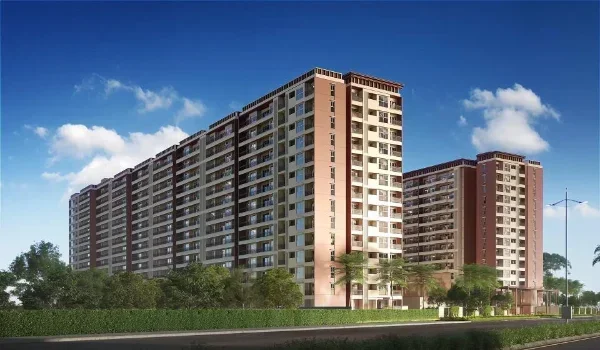
Prestige Falcon City Thane, an upcoming township in Thane West, builds many of these layers into its plan. The project lists CCTV cameras at all gates and basements, plus keycard entry to tower lobbies. Main entry gates use boom barriers and automatic number-plate cameras to screen every vehicle coming in.

Each main door has a digital biometric lock and a video door phone linked to the security desk. This lets you see and verify every caller before you open the door for them. Cars drive straight into basement parking, which keeps ground-level walkways safer for kids on foot and cycles.

Play and open space get a large share of the 15-acre site. About 40% of the land stays as open green zones in the master plan. These include a central green core, jogging tracks and a Kids Activity Zone. A shallow kids' pool also lets young children swim away from the main lap pool. You can view the full list on the project amenities page.

The project is still in pre-launch, with RERA registration in process and possession planned for December 2031. Before you book, ask for balcony railing specs, fire safety details and the final play zone layout. You can compare unit sizes on the floor plans page and see nearby schools on the location page.

FAQs


1. Are gated communities safer for kids than standalone buildings?

In most cases, yes, because gated communities control who enters and keep traffic away from play areas. Standalone buildings often lack guards, CCTV and open space, so kids end up playing near roads.

2. Which floor is safest for families with small children?

No single floor is perfectly safe, since safety depends on railings, grills and your daily habits. Lower floors give quicker exits in an emergency, while higher floors get less street noise, dust and mosquitoes.

3. What balcony railing height is safe for children in India?

The National Building Code 2016 sets a minimum railing height of 1 m for residential balconies. Many parents in high-rises also add invisible grills and keep railing gaps under 100 mm for extra protection.

4. How do gated communities track children who leave the premises?

Many societies use visitor management apps that alert parents when a child exits the main gate alone. Guards also keep a list of approved adults who can take a child outside the campus.

5. Is it safe to let kids use lifts alone in a high-rise?

Older children can ride lifts alone once they know the alarm button and their floor number well. Younger kids should always travel with an adult, especially in towers with many floors and busy lifts.

6. What child safety features does Prestige Falcon City Thane offer?

It plans CCTV at all gates and basements, keycard lobby access and biometric locks with video door phones. It also offers a Kids Activity Zone, a shallow kids' pool and car-free ground-level walkways.

Enquiry
Enquire Now