NRI Guide to Buying Property in Mumbai (2026)
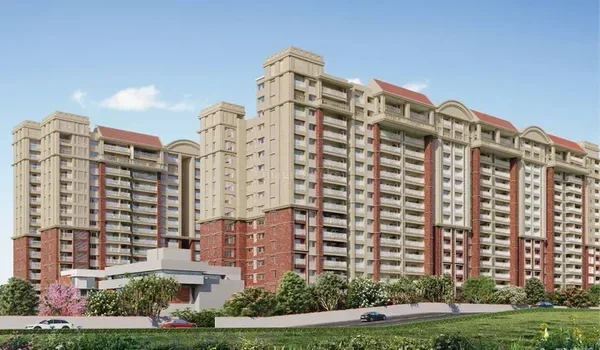
Featured Image of NRI Guide to Buying Property in Mumbai (2026)


Yes, NRIs and OCI cardholders can buy residential and commercial property in Mumbai without any RBI approval. You must pay through NRE, NRO or FCNR accounts, and you cannot buy farmland or farmhouses. Also budget for 6% to 7% stamp duty, 1% TDS and 5% GST on new flats.

The good news is that you can finish most steps from abroad through a Power of Attorney. Read on for eligibility, documents, payments, loans, taxes and repatriation, so you can buy with confidence.

Can NRIs Buy Property in Mumbai?


Under FEMA rules, NRIs and OCI cardholders can buy most property types just like resident Indians. There is no limit on the number of homes you can own. The table below shows what you can and cannot buy.

Property Type Can NRIs Buy? Notes
Residential flats and villas Yes No RBI approval needed
Commercial property Yes Offices and shops allowed
Plots for building homes Yes Only non-agricultural land
Agricultural land No Allowed only through inheritance
Plantation property or farmhouses No Allowed only through inheritance

Step-by-Step Process for NRIs


Buying from overseas works smoothly once you follow a clear order, and the main steps run like this:

  • Get a PAN card if you do not already have one, since every property deal needs it.
  • Open an NRE or NRO account with an Indian bank for all payments.
  • Shortlist projects and check their MahaRERA registration on the official website.
  • Pay the booking amount through your NRE or NRO account and collect a receipt.
  • Apply for an NRI home loan if you need funding, once the bank approves the project.
  • Sign and register the Agreement of Sale in person or through a Power of Attorney holder.
  • Pay instalments as per the payment plan and take possession on completion.

Documents NRIs Need to Buy Property


Keep these documents ready before you book, since missing papers can delay your loan and registration:

  • Valid Indian passport, or OCI card with a foreign passport
  • PAN card linked to your bank account
  • Overseas address proof, such as a utility bill or bank statement
  • Visa or residence permit for your country of stay
  • Six months of NRE or NRO account statements
  • Passport-size photos and a notarised Power of Attorney, if someone acts for you

How NRIs Can Pay for Property


FEMA rules allow payment only through Indian banking channels in Indian rupees. You cannot pay in foreign currency, cash or traveller's cheques. Each account type suits a different need:

Account Source of Funds Repatriation
NRE account Money earned abroad Freely repatriable
NRO account Income earned in India, such as rent Up to USD 1 million a year
FCNR account Foreign currency deposits Freely repatriable
Direct inward remittance Transfer from an overseas bank Counts as foreign funds

Paying from NRE, FCNR or direct remittance makes it easier to take sale money back abroad later. So plan your payment source with repatriation in mind from day one.

Home Loans for NRIs


Most leading banks and housing finance firms offer NRI home loans in India. Banks fund up to 75% to 80% of the value, with loan tenure of up to 20 years. You repay the EMIs from your NRE or NRO account in rupees.

Banks usually ask for your employment contract, salary slips and overseas credit history. Since a lender approves the project before it approves your loan, choose a developer with a strong record. That step helps your loan move faster once you sign the agreement.

Taxes and Charges NRIs Pay


NRIs pay the same stamp duty and registration charges as residents. The main costs to add to your budget look like this:

Charge Rate When You Pay
Stamp duty in Mumbai 6% (5% for women buying alone) At agreement registration
Stamp duty in Thane 7% (6% for women buying alone) At agreement registration
Registration fee 1%, capped at ₹30,000 At agreement registration
GST on under-construction homes 5% With each instalment before OC
TDS on purchase above ₹50 lakh 1% of the price You deduct it from each payment

If you buy a resale home from another NRI, the TDS rules change. You then deduct tax on the seller's capital gains and need a TAN. So consult a chartered accountant before you pay.

Using a Power of Attorney


A Power of Attorney (PoA) lets a trusted family member or lawyer sign documents for you in Mumbai. You sign the PoA abroad, get it attested or apostilled, and send the original to India. Your PoA holder then gets it adjudicated at the local stamp office within three months of arrival.

Keep the PoA specific to the property and the tasks involved. A narrow PoA protects you from misuse while still letting your representative handle registration and possession.

Repatriation When You Sell


When you sell your property later, you can take the money back abroad under set limits. If you paid from NRE, FCNR or remittance funds, you can repatriate proceeds for up to two homes. Funds in an NRO account can go abroad up to USD 1 million in each financial year.

You will need Form 15CA and a chartered accountant's certificate in Form 15CB to move the money. Long-term capital gains for NRIs now attract 12.5% tax without indexation, so plan with your tax adviser.

Common Mistakes NRIs Should Avoid


Distance makes small errors costly, because you cannot always visit the site or the bank in person. Watch out for these common slips:

  • Paying the booking amount before you check the project's MahaRERA registration
  • Using an NRO account for the purchase and then facing limits when you repatriate
  • Signing a broad Power of Attorney that gives your representative more control than needed
  • Forgetting to deduct 1% TDS and file it on time, which can lead to interest and penalties
  • Ignoring currency swings, since a weaker rupee changes how much you remit for each instalment

A quick call with a property lawyer and a CA before booking helps you avoid most of these.

Why NRIs Look at Thane in the Mumbai Region


Many NRIs now look beyond Mumbai's island city at Thane, where larger homes cost less per sq. ft. Thane, part of the Mumbai Metropolitan Region, gains from Metro Line 4 and the upcoming Thane-Borivali Twin Tunnel. These links bring BKC, Powai and the western suburbs closer.

Prestige Falcon City Thane offers NRIs a branded option here, with 2, 3 and 4 BHK homes. Prices start at ₹1.62 Cr, and the 10-stage payment plan spreads instalments over nearly five years. That long gap makes remittance planning much easier. Prestige Group also brings 40+ years of experience and 300+ delivered projects, which helps with bank approvals. You can compare current rates on the Prestige Falcon City Thane price page before you shortlist.

FAQs


1. Can NRIs buy property in Mumbai without RBI permission?

Yes, NRIs and OCI cardholders can buy residential and commercial property in Mumbai without RBI permission. Only agricultural land, plantations and farmhouses stay off limits, except through inheritance.

2. Which bank account should an NRI use to buy property?

You can pay through an NRE, NRO or FCNR account, or through direct inward remittance. Paying from NRE or FCNR funds makes it easier to repatriate the money when you sell.

3. Do NRIs pay higher stamp duty in Mumbai?

No, NRIs pay the same stamp duty as residents. That means 6% in Mumbai and 7% in Thane, with 1% less for women buying alone.

4. Can an NRI get a home loan in India?

Yes, most Indian banks offer NRI home loans covering 75% to 80% of the property value. You repay the EMIs in rupees from your NRE or NRO account.

5. Do I need to visit India to buy property?

No, a trusted person can sign and register documents for you through a Power of Attorney. Make sure the PoA gets attested abroad and adjudicated in India.

6. Is Prestige Falcon City Thane a good option for NRI buyers?

Prestige Falcon City Thane suits NRIs who want a branded Mumbai region home with a milestone-based payment plan. Check its RERA status and final cost sheet before you book.

Enquiry
Enquire Now