Home Loan Eligibility and Process for Pre-Launch Apartments

Featured Image of Home Loan Eligibility and Process for Pre-Launch Apartments


For a pre-launch apartment loan, banks need a CIBIL score of 750+ and two to three years of steady income. Your total EMIs should also stay within about half your take-home pay. The loan process begins only after the project gets RERA registration and bank approval. You pay the EOI and the first 20% from savings, then sign the Agreement of Sale. After that, the bank releases your loan in stages as construction moves ahead.

Below, you will find each eligibility rule, your likely loan amount, every step and the papers needed.

Can You Get a Home Loan at the Pre-Launch Stage?


At the pre-launch stage, a project has not yet received its RERA registration. Under the RERA Act, a developer cannot sell units before registration. Banks also do not fund projects that lack it. So no bank will release a loan against an EOI payment.

The loan becomes possible once three things happen. The project gets its MahaRERA number, a bank approves it for lending, and you sign the sale agreement. Bank approval for a project is called APF, or Approved Project Finance, and it speeds up your loan.

Home Loan Eligibility Criteria


Banks judge your eligibility on a few core factors. The table below shows what most lenders look for in 2026.

Factor What Banks Look For
CIBIL score 750 or above for the best rates
Age 21 years or more, with the loan ending before about 60 to 70 years
Income Stable salary or business income for at least two to three years
FOIR Total EMIs within about 40% to 60% of net monthly income
Loan-to-value Up to 75% of the price for loans above ₹75 lakh
Property RERA-registered project with bank approval

FOIR stands for Fixed Obligation to Income Ratio. It measures how much of your income already goes to EMIs. So existing car or personal loans reduce what you can borrow.

How Much Loan Can You Get?


RBI rules cap how much a bank can lend against a property's value. For loans up to ₹30 lakh, banks can fund 90%. For ₹30 lakh to ₹75 lakh, they can fund 80%. Above ₹75 lakh, the limit drops to 75%.

In September 2026, leading banks offer home loan rates starting from about 7.15% to 7.25%. Here is what a 75% loan could look like at 7.5% interest over 20 years:

Home Type Price Loan (75%) Monthly EMI Net Income Needed
2 BHK ₹1.62 Cr ₹1.22 Cr About ₹97,900 About ₹1.96 lakh
3 BHK ₹2.50 Cr ₹1.88 Cr About ₹1.51 lakh About ₹3.02 lakh
4 BHK ₹3.60 Cr ₹2.70 Cr About ₹2.18 lakh About ₹4.35 lakh

The income figures assume your EMI stays at 50% of take-home pay. Adding a working spouse as a co-applicant raises your eligibility and can also split tax benefits.

Simple Ways to Improve Your Eligibility


If your eligibility falls short of the loan you need, a few steps can help before you apply:

  • Close small personal loans or credit card dues to lower your FOIR.
  • Add an earning spouse or parent as a co-applicant.
  • Choose a longer tenure, which lowers the EMI and raises the loan you qualify for.
  • Pay your bills on time for a few months to push your CIBIL score higher.

Step-by-Step Home Loan Process for a Pre-Launch Flat


The process runs alongside the project's own timeline, and the steps below take you from EOI to possession:

  • Pay the EOI amount from your own savings to secure priority.
  • Wait for the project's MahaRERA registration and check which banks have approved it.
  • Apply for an in-principle loan sanction to confirm how much you can borrow.
  • Pay the 10% booking amount from your own funds after the formal launch.
  • Sign and register the Agreement of Sale, and pay stamp duty and registration yourself.
  • Submit the agreement to the bank for final sanction and a legal check.
  • Let the bank pay the developer directly as each construction milestone completes.
  • Pay pre-EMI or full EMI during construction, then regular EMIs after possession.

Most banks release their share only after your own contribution is paid. So plan to cover the first 20% of the price, plus stamp duty and GST, from savings.

Pre-EMI vs Full EMI During Construction


Since the bank releases money in stages, you can choose how to repay during the build period. With pre-EMI, you pay only interest on the amount released so far. Say the bank has released ₹30 lakh at 7.5%. Your pre-EMI would then be about ₹18,750 a month.

With full EMI, you start paying both interest and principal from the first release. Your monthly outgo is higher, but you close the loan sooner and pay less interest overall. If you already pay rent, pre-EMI keeps your cash flow easier until possession.

Documents You Need for a Home Loan


Keep these papers ready, since missing items can hold up your loan sanction for weeks:

  • PAN card, Aadhaar and passport-size photos
  • Salary slips for the last three months, or business ITRs for two to three years
  • Form 16 and bank statements for the last six months
  • Employment letter or proof of business
  • EOI receipt, booking receipt and Agreement of Sale
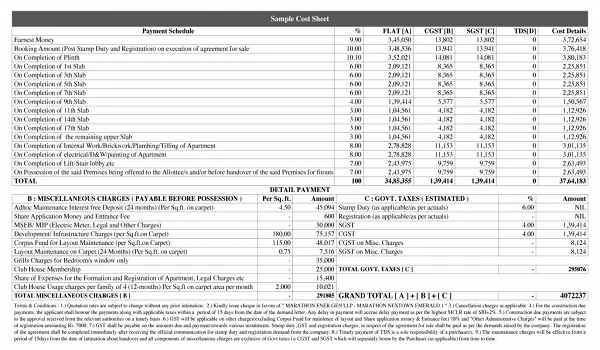
  • Cost sheet and payment schedule from the developer

NRIs also need a valid passport, visa, overseas salary proof and NRE or NRO account statements.

Tax Benefits on Your Home Loan


Under the old tax regime, you can claim up to ₹1.5 lakh yearly on principal and stamp duty. You can also claim up to ₹2 lakh a year on interest for a self-occupied home. Interest paid during construction can be claimed in five equal parts once you get possession.

Tax rules change often, so check the latest limits with your chartered accountant before you plan.

How This Works at Prestige Falcon City Thane


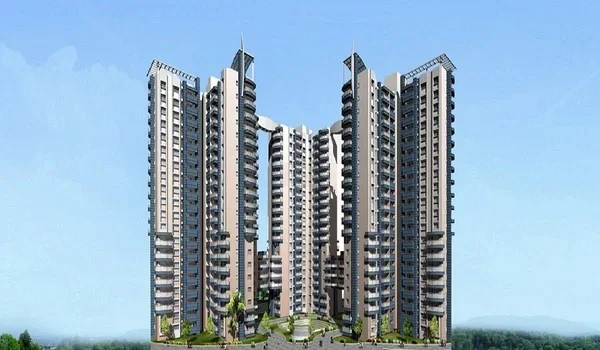
Prestige Falcon City Thane is in its pre-launch stage, and its RERA registration is still in process. So buyers join through an EOI now and apply for a loan after registration and bank approval. Prestige Group's CRISIL DA1+ rating and long delivery record can help the bank approval move faster.

The project follows a 10:10:80 payment plan, which suits stage-wise loan release. You pay the first 20% yourself, and the bank can fund the eight construction milestones that follow. You can check current prices on the Prestige Falcon City Thane price page to plan your loan amount.

FAQs


1. Can I get a home loan for a pre-launch project?

Not at the EOI stage, since banks only fund RERA-registered projects. Once the project registers and a bank approves it, you can apply and get stage-wise disbursement.

2. What CIBIL score do I need for a home loan?

Most banks prefer a CIBIL score of 750 or above for the best rates. A lower score may still qualify, but often at a higher interest rate.

3. How much salary do I need for a ₹1 Cr home loan?

At 7.5% over 20 years, a ₹1 Cr loan has an EMI of about ₹80,600. Most banks would expect a net monthly income of around ₹1.6 lakh or more.

4. When does the bank start disbursing the loan?

The bank starts after you sign the Agreement of Sale and pay your own share. It then pays the developer directly as each construction milestone completes.

5. What is the difference between pre-EMI and full EMI?

Pre-EMI covers only interest on the amount released during construction. Full EMI includes principal from the start, so you pay less interest over the loan's life.

6. Can I get a home loan for Prestige Falcon City Thane?

Yes, once the project receives its RERA registration and bank approvals. Ask the sales team which banks have approved it before you sign the agreement.

Prestige Falcon City Thane Blog


Enquiry
Enquire Now