Hidden Costs When Buying a Prestige Property

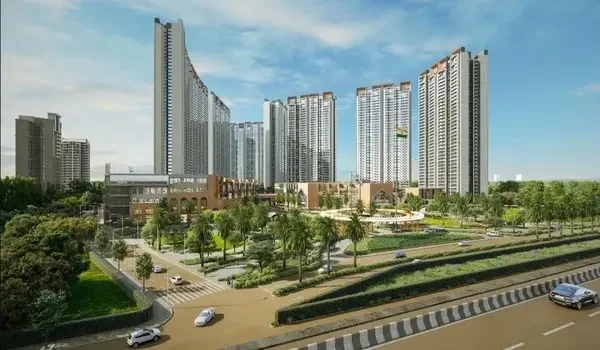
Featured Image of Hidden Costs When Buying a Prestige Property


Hidden costs when buying a Prestige property include GST, stamp duty, parking, club fees and advance maintenance. In Thane, 5% GST and 7% stamp duty alone add about 12% to your agreement value. Registration, a corpus fund, builder charges and loan fees then add more on top. These costs are rarely truly hidden, since a RERA-registered developer lists them in the cost sheet. Buyers simply miss them when they compare projects on base price alone.

So judge any Prestige home by its all-in cost, not by the headline rate. This guide walks you through every charge you will likely see, with 2026 figures for Thane. For the latest project pricing on Ghodbunder Road, see our Prestige Falcon City Thane price guide.


Full Cost Breakup Beyond the Base Price


Every flat purchase in Maharashtra carries three layers of cost on top of the base price. These are government levies, developer charges and loan costs. The table below shows the usual items with typical 2026 ranges.

Cost Item Who Collects It Typical Amount in 2026
GST (under-construction flat) Developer, for the government 5% of agreement value
Stamp duty in Thane State government 7% for men, 6% for women in sole name
Registration fee State government 1% of value, capped at ₹30,000
Car parking (covered) Developer About ₹3 lakh to ₹10 lakh per slot
Preferential location charge Developer About ₹200 to ₹800 per sq ft
Floor rise charge Developer About ₹50 to ₹300 per sq ft per floor
Club membership Developer About ₹1 lakh to ₹5 lakh, one time
Corpus fund or maintenance deposit Developer, passed to society About ₹50,000 to ₹3 lakh, one time
Legal and documentation charges Developer or your lawyer About ₹10,000 to ₹50,000
Home loan processing fee Your bank About 0.25% to 1% of the loan

Builder charge ranges draw on Square Yards' 2026 industry estimates. Each Prestige project sets its own figures, so match them against the official cost sheet.

Government Charges: The Biggest Add-On


Government charges make up the largest share of your extra spend, and you cannot negotiate them. Knowing them early helps you plan your down payment.

GST applies at 5% on an under-construction home in the non-affordable segment. It covers the base price and most builder charges in the agreement, such as parking and location premiums. Ready-to-move flats with an Occupancy Certificate carry no GST at all.

Stamp duty in Thane stands at 7% for a male buyer. That figure covers 5% stamp duty, 1% metro cess and 1% local body tax. Mumbai charges 6% because the local body tax does not apply there. Women buying in their sole name get a 1% concession in both cities.

Registration adds 1% of the property value, but Maharashtra caps it at ₹30,000 for homes above ₹30 lakh. Here is how these three charges stack up on a ₹2 crore under-construction home in Thane:

  • GST at 5%: ₹10,00,000
  • Stamp duty at 7%: ₹14,00,000
  • Registration fee: ₹30,000
  • Total government charges: ₹24,30,000

That is over ₹24 lakh before you pay for interiors, parking upgrades or loan fees. Most banks leave stamp duty and registration out of the loan, so you pay these from savings.

Developer Charges You Should Read Line by Line


Developer charges change the most from one project to the next, so read them closely. Large brands like Prestige usually show them clearly, but the totals still surprise first-time buyers.

A preferential location charge applies when your flat faces a garden, a lake or a better view. A floor rise charge adds a set amount per sq ft for each floor above a base level. On a high floor in a tall tower, these two items together can add several lakh rupees.

Car parking forms another major line. Many developers now include one slot with a 2 BHK and charge separately for a second slot. Under RERA, a builder cannot sell open parking, so this charge covers only covered or garage slots.

Club membership pays for access to the clubhouse, pool, gym and sports courts. Some developers fold it into the base price, while others list it as a one-time fee. The corpus fund, also called a sinking fund or maintenance deposit, builds a reserve for future repairs. The developer collects it and hands it over to the society once it forms.

Possession-Stage Costs Most Buyers Forget


A second wave of costs arrives just before you get the keys. Plan for these early, since they often fall due within a few weeks of the possession letter.

Advance maintenance tops this list. Developers usually collect several months of maintenance in advance, at a rate per sq ft of area. The developer also collects society formation charges, such as share money and an entry fee.

You will also pay for utility connections such as the electricity meter deposit and water connection. Property tax starts from possession, and the Thane Municipal Corporation bills it separately. Finally, budget for interiors, which can run into several lakh rupees even for a modest fit-out.

Running Costs After You Move In


Your spending does not stop at possession. Monthly maintenance in a premium Thane tower can run into several thousand rupees. Large township projects with clubhouses, pools and landscaped greens tend to sit at the higher end.

GST can apply to these monthly bills too. Once your society maintenance crosses ₹7,500 per flat each month, 18% GST applies on the full amount. This rule kicks in when the society's annual turnover also crosses ₹20 lakh, which most large complexes do.

Home Loan Costs That Add to the Total


If you take a home loan, your bank adds its own set of charges. Banks usually charge a processing fee of about 0.25% to 1% of the loan amount. You also pay for legal and technical checks on the property, plus a small mortgage fee.

Many banks push home loan insurance at the time of sanction. It can help protect your family, but it remains optional. Compare the premium with a plain term insurance plan before you agree to bundle it into your loan.

How to Read a Prestige Cost Sheet Before You Book


The cost sheet tells you more than the brochure does. Ask the sales team for the full, all-inclusive version, and check these points before you pay anything.

  • Confirm that the price uses RERA carpet area and note the super built-up area separately
  • Check which charges sit inside the base price and which appear as separate lines
  • Ask for the exact parking slot type, number and level in writing
  • Confirm the number of months of advance maintenance and the rate per sq ft
  • Check the corpus fund amount and when the developer will transfer it to the society
  • Match the MahaRERA registration number on the cost sheet with the MahaRERA portal

Prestige Group brings over 40 years of experience and more than 300 delivered projects across India. The group also holds a CRISIL DA1+ developer rating, which reflects strong delivery and financial track record. That track record helps, but a careful cost-sheet check still protects your budget.

Applying This Checklist in Thane


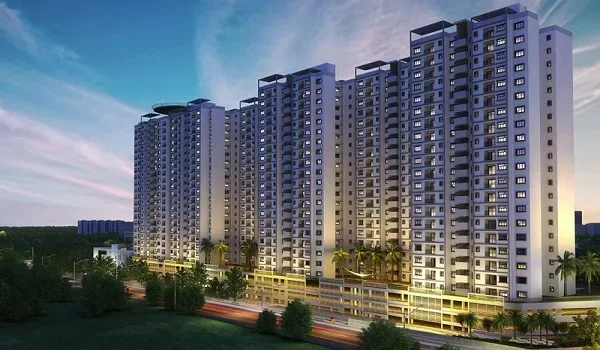
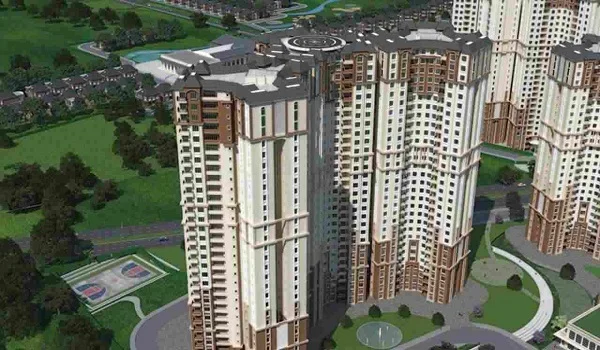
Prestige is now expanding from its southern base in Bangalore, Chennai and Hyderabad into prime Mumbai markets. Prestige Falcon City Thane on Ghodbunder Road, near Kapurbawdi Junction, marks the group's township push in Thane. Its 15-acre master plan covers 9 towers and 2,075 homes in 2, 3 and 4 BHK formats.

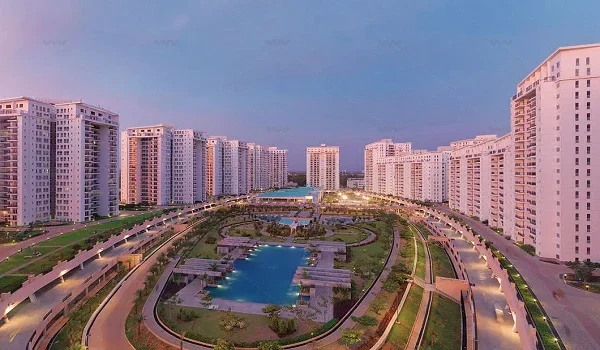
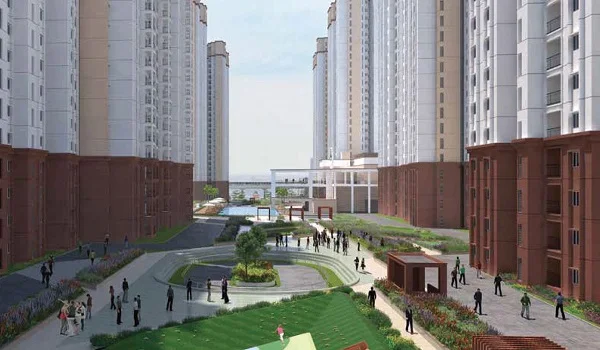
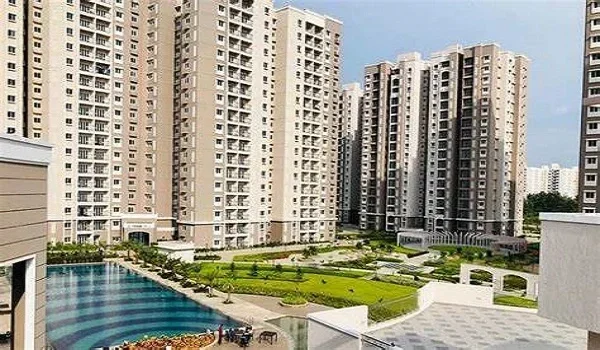
A township of this scale comes with a large clubhouse, basement parking and landscaped greens. Each of these shapes the club, parking and maintenance lines on the cost sheet. When you get the official cost sheet for Falcon City Thane, use this guide to read each line.

FAQs


1. What are the hidden costs when buying a Prestige property?

The main hidden costs are 5% GST, stamp duty, registration, parking, club fees, a corpus fund and maintenance. Loan processing fees, utility deposits and interiors add further costs.

2. How much extra should you budget over the base price of a flat in Thane?

Government charges alone add about 12% in Thane through 5% GST and 7% stamp duty. Builder charges and loan fees push the total higher, so ask for an all-inclusive cost sheet.

3. Is GST charged on a Prestige flat?

Yes, if the flat is still under construction. GST applies at 5% on non-affordable homes. Ready-to-move flats with an Occupancy Certificate carry no GST.

4. What is the stamp duty for a flat in Thane in 2026?

Stamp duty in Thane stands at 7% for a male buyer, including metro cess and local body tax. Women buying in their sole name pay 6%. Registration adds 1%, capped at ₹30,000.

5. What is a corpus fund when you buy a flat?

A corpus fund is a one-time deposit that builds a reserve for major repairs in the building. The developer collects it and transfers it to the housing society after the society forms.

6. Can you negotiate extra charges with a developer?

You cannot negotiate GST, stamp duty or registration. Some developers do show flexibility on a second parking slot, club fees or floor rise during launch offers.

Prestige Falcon City Thane Blog


Enquiry
Enquire Now